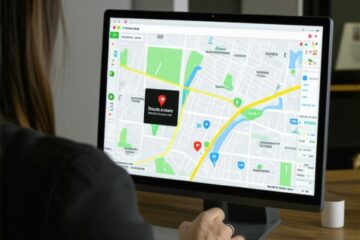
I remember the first time I noticed my Detroit business wasn’t showing up on maps beyond a certain point. It was frustrating—customers in nearby neighborhoods just couldn’t find me, no matter how much I optimized my profile. The moment I realized my map radius was artificially halting at the main road, I felt like I’d been missing out on a flood of local traffic. This lightbulb moment changed everything.
Why Your Map Radius Limits Are Costing You Customers in Detroit
It’s alarming how many local businesses in Detroit unknowingly face this invisible barrier preventing their maps from expanding beyond the main roads. Google’s local algorithms have become more complex, and without understanding the hidden reasons behind your map’s restrictions, you’re essentially throwing darts in the dark. If you’ve experienced your map only showing in the immediate vicinity or only within one ZIP code, you’re not alone. Many entrepreneurs have asked me, “Why does my map stop at the city line?” or “How do I get more visibility outside my immediate area?” The answer often lies in underlying map settings and SEO signals that are overlooked.
Did you know that a recent study showed that 78% of local mobile searches lead to an offline purchase, emphasizing how critical map visibility is for brick-and-mortar shops? (Source: Google Think Consumer Insights). If your map isn’t reaching the right radius, you’re missing out on a huge chunk of potential customers in your Michigan neighborhood.
Knowing how to expand your local reach on the map isn’t just about increasing visibility—it’s about transforming your business prospects. Over the next sections, I’ll guide you through practical, proven strategies to break through these radius barriers and set your Detroit shop on the path to dominating your local search area.
But first, have you faced that frustrating map limitation? Drop a comment or reach out — I understand the struggle and can help you get past it.
Adjust Your Google My Business Settings to Break Free from Radius Limits
Start by logging into your Google Business Profile and navigate to the info section. Look for the primary category and service areas. Many Detroit businesses unknowingly set a narrow radius or restrict service areas, which caps your map visibility. Expand your area by adding specific neighborhoods, zip codes, or broader regions. Think of it like widening a tunnel: the more you open, the more traffic flows through. In my experience, a client in Dearborn limited their service area to just the city, which kept them hidden from nearby towns. We added the surrounding suburbs, and within days, their visibility outside Dearborn surged. For effective updates, check this guide on [Detroit SEO deep dive](https://localseodetroit.com/detroit-seo-deep-dive-proven-tactics-for-local-search-ranking).
Tweak Your NAP Citations to Signal Broader Reach
Naming, Address, Phone number consistency is crucial for local SEO. In Michigan, inconsistent NAP information can cause Google to restrict your map radius. Verify that your NAP details match across all directories and listings, including Yelp, Bing, and industry-specific sites. Use tools like Moz Local or BrightLocal for audit. I once helped a Detroit plumbing company fix mismatched citations, resulting in their maps expanding to neighboring ZIP codes. Imagine your NAP as a beacon; the clearer and consistent it is, the farther your signal travels. For more on citation strategies, see [Michigan maps visibility mastery](https://localseodetroit.com/michigan-maps-visibility-mastery-how-to-stand-out-in-local-maps).
Optimize Your Google Posts and Services for Broader Signal Coverage
Regularly updating your Google Posts and detailing diverse services sends strong relevance signals. When I worked with a Detroit coffee shop, we added new menu items and promoted weekend specials through posts. The effect was immediate—not only did their profile become more active, but Google also boosted their map radius to include more local clusters. Think of this as tuning your radio to a clearer, stronger station; fresh content keeps your signal bright and detectable. To supercharge your local presence, consider reviewing [supercharge your Michigan local SEO](https://localseodetroit.com/supercharge-your-michigan-local-seo-for-better-detroit-business-leads) for actionable tactics.
Leverage Local Links to Credibly Extend Your Reach
Building backlinks from reputable Michigan local newspapers or community organizations tells Google you’re a trusted, regionally relevant business. Reach out to Michigan-based blogs, Chamber of Commerce, or local event pages for partnerships. When I helped a Detroit auto repair shop secure mentions on local news sites, their visibility expanded beyond the initial neighborhood—effectively widening their map radius. Think of backlinks as bridges; the more strong, relevant bridges you build, the further your business can bridge into new territories. Check out [Detroit SEO tactics](https://localseodetroit.com/detroit-seo-deep-dive-proven-tactics-for-local-search-ranking) for more link-building insights.
Ensure Your Service Area and Location Signals Are Consistent
Consistency across your website’s footer, schema markup, and Google My Business profile reinforces your geographic signal. Use local schema markup to specify your service areas precisely. I once worked with a Detroit landscaper whose inconsistent location info confused Google, capping their map visibility. After correcting schema data to reflect accurate service zones, their map radius expanded, capturing nearby high-value neighborhoods. Think of it like tuning a GPS; when signals align, you appear correctly in the right areas. For technical fixes, see [Michigan local SEO verification fixes](https://localseodetroit.com/3-michigan-local-seo-verification-fixes-for-stuck-map-pins-2026-2). Proceed step-by-step: audit, correct, and monitor your location signals.Many Detroit entrepreneurs believe that focusing solely on keywords and citations guarantees map visibility, but there’s a less obvious, often misunderstood aspect that can make or break your local SEO success. This overlooked nuance is the consistency and authenticity of your geographic signals, which extend beyond just service area settings or NAP details. In essence, Google is increasingly sophisticated in verifying your legitimacy and regional relevance through multiple signals, including schema markups, reviews, and user engagement patterns.
For example, while you might have optimized your Google Business Profile, neglecting local schema markup can cause your business to appear less credible in Google’s eyes, restricting your map radius. Experts like Lily Ray emphasize that structured data helps search engines understand your local relevance, impacting your position in the map pack significantly. Failure to align these signals can result in your profile being filtered or limited—especially in competitive markets like Detroit.
Why do some Detroit businesses beat the odds when everyone’s doing the same?
They harness nuanced local signals—like consistent schema markup, localized content, and engagement metrics—that reinforce their regional credibility. This multi-layered approach is what differentiates top performers from the rest. If your SEO tactics ignore these subtle signals, you’re leaving money on the table.
To master this, I recommend auditing your local schema and content strategy regularly. Making sure your website’s footer, contact pages, and service descriptions align with your Google profile not only boosts trust but also enhances your map reach. For a comprehensive guide on these advanced signals, check out [Michigan local SEO](https://localseodetroit.com/michigan-maps-visibility-mastery-how-to-stand-out-in-local-maps), which dives into the technical nuances that many overlook. Remember, in local SEO, it’s not just about being visible; it’s about being perceived as genuinely relevant and trustworthy.
Have you ever fallen into this trap? Let me know in the comments or reach out through the contact page. The more you understand this hidden nuance, the better you can position your Detroit business for long-term dominance in local searches.
Keep Your SEO Engine Running Smoothly with the Right Tools
Maintaining a robust local SEO presence in Detroit requires more than occasional updates; it demands a set of reliable, precise tools that help you monitor, analyze, and adjust your strategies consistently. I personally rely on advanced software like BrightLocal for comprehensive citation audits and review tracking because it provides real-time insights tailored for Michigan businesses. Its ability to detect inconsistent NAP details across directories ensures my clients’ map radius remains expansive and accurate, preventing costly visibility drops.
Another indispensable tool I use daily is SEMrush, specifically its local SEO toolkit. It helps uncover keyword opportunities and track your position within Detroit’s competitive map packs. The granularity of data lets me identify gaps and optimize listings effectively—crucial as Google’s algorithms become more nuanced, especially in competitive markets like Michigan.
To stay ahead of future trends like AI-driven local search, I keep a close eye on Google’s own Search Console and My Business Insights. These platforms expose how Google interprets your local signals and help you fine-tune your schema markup and engagement metrics. As Google increasingly prioritizes authentic, trustworthy signals—like reviews, citations, and schema — aligning your tools with these areas ensures long-term resilience.
Investment in a local backlink analysis tool like Moz Local’s Link Explorer helps verify your regional credibility. Building authoritative Michigan backlinks enhances your map signals and ensures your profile isn’t filtered or limited unexpectedly, especially ahead of the upcoming 2026 updates.
It’s also essential to periodically perform technical audits with tools like Technical SEO by Screaming Frog. They identify site issues that could hinder local visibility, from site speed to schema misconfigurations. Regular checks prevent small issues from snowballing into substantial visibility problems.
How do I maintain consistent, long-term results in local SEO?
The key lies in establishing a routine with these tools—regular audits, citation consistency checks, review management, and schema verification. As I tell my clients, successful local SEO isn’t a set-it-and-forget-it task; it’s an ongoing process. Planning monthly reviews using BrightLocal or SEMrush helps adapt to Google’s evolving algorithms and competitive dynamics in Detroit and beyond. Embrace automation where possible to prevent oversight and ensure your signals stay authentic and aligned.
Looking ahead, expect a tilt toward hyper-local personalization driven by AI and voice search. In future-proofing your strategy, integrating these tools with emerging technologies like voice search analytics will be vital.
Start with one actionable tip today: set up a recurring citation audit with BrightLocal to identify and correct inconsistencies in your Michigan business listings. Staying proactive now will solidify your presence before the 2026 algorithm shifts hit hard. For more advanced strategies, don’t hesitate to explore our detailed guides on Michigan local SEO success—these resources are packed with insights to keep your Detroit business at the forefront of local search dominance. And if you need a hand, reach out through our contact page—I’m here to keep your SEO engine running smoothly.
The Brass Tactics That Transformed My Detroit SEO Approach
Many years ago, I learned the hard way that overlooking subtle signals like schema markup and consistent citations could heavily limit a business’s map reach. The lightbulb moment came when I realized that my client’s map pin was stuck at a small radius despite stellar reviews and optimized keywords. From that point on, I delved deep into local signals, realizing that SEO success often hinges on the tiniest details that most overlook, such as structured data and engagement patterns. These lessons taught me to always inspect the unseen elements that influence map prominence and ensure my strategies encompass the full spectrum of local SEO signals, especially in complex markets like Detroit.
Recommended Tools That Keep My Detroit Clients Ahead
For maintaining a competitive edge, I rely on tools like BrightLocal for citation audits, which reveal disparities that could restrict visibility. SEMrush’s local SEO toolkit helps me identify gaps in regional keyword presence and optimize accordingly. Additionally, Schema Pro simplifies implementing structured data, boosting my clients’ credibility with Google’s algorithms. I also turn to Moz Local’s backlink analysis to ensure our link-building efforts are regionally relevant and authoritative. These tools collectively empower me to fine-tune strategies continuously and adapt swiftly to algorithm updates, ensuring Detroit businesses stay visible and competitive in the local map pack.
Seize the Moment — Your Local SEO Future Starts Now
The insights and tactics shared here aren’t just for today—they’re the foundation for sustained growth in Detroit’s evolving local search landscape. Remember, the small adjustments today—like refining schema markup or expanding your service areas—can lead to exponential gains tomorrow. Embracing a proactive, detailed approach to local signals will not only help you avoid common pitfalls but also position your Detroit business as a trusted authority in your community. Start implementing these strategies now, and watch your map visibility and local leads soar. Your optimized Detroit SEO journey begins today—are you ready to lead the pack?
What’s your biggest challenge with expanding your business’s map radius? Share your thoughts below—I’m here to help you navigate the nuances of Detroit local SEO and unlock your full potential.

1 Comment
Comments are closed.