 Lilac Prince
I remember the exact moment I realized my client’s shop was invisible on Google Maps. We had optimized everything—from keywords to reviews—and yet, their pin sat stubbornly on the second page. Frustration bubbled up. Then it hit me—map visibility isn’t just about creating a profile; it’s about understanding a whole new set of rules shifting faster than ever. If you’ve ever felt like your business is hidden in plain sight, you’re not alone. Many Detroit business owners are facing this obstacle, and the good news is, there’s a way to get noticed before 2026 changes everything.
Why Local Map Visibility Matters More Than Ever in 2026
In today’s hyper-competitive local market, your potential customers are searching for your services RIGHT NOW. If your business doesn’t appear at the top of Google Maps, you’re effectively invisible to a significant chunk of the local community. And trust me, their first impression often comes from that little map pack—what I like to call the new storefront.
Statistics show that over 70% of local mobile searches result in a visit to a physical store (Source: Local SEO Detroit). That means if your shop isn’t appearing prominently, you’re losing out on a lot of foot traffic, revenue, and growth opportunities.
Beyond the numbers, what really drives this home is the realization that, with each passing year, Google’s algorithms evolve, emphasizing local intent more than ever. The 2026 map update isn’t just another tweak; it’s a significant shift that favors those who have mastered their local SEO game. If you’ve ever been frustrated by your rankings dropping or feeling overshadowed by competitors, you’re not alone. I made a few costly mistakes early on—like ignoring consistent NAP (Name, Address, Phone Number) citations—and paid the price in lost visibility.
Knowing this, it’s vital to stay ahead with proven strategies that keep your business on top. Today, I’ll guide you step-by-step through some essential Michigan-specific fixes and tactics to ensure your shop not only appears but dominates the local map pack in 2026.
Ready to stop leaving money on the table? Let’s dive into the practical solutions that can transform your map visibility and, ultimately, your shop visits.
Optimize Your Google Profile for Local Relevance
Start by claiming and verifying your Google Business Profile — that’s your storefront on the digital map. Ensure your business name, address, and phone number (NAP) are consistent across all listings. Think of it like having multiple signages pointing to the same shop — consistency breeds trust and improves rankings, especially in Michigan where local search signals carry weight.
Choose Keywords the Right Way to Target Detroit Customers
Identify keywords your local audience uses, like “Detroit coffee shop” or “Midtown restaurant.” Use tools like Google’s Keyword Planner or SEMrush to discover high-volume, low-competition phrases. Incorporate these naturally into your profile description, service menus, and posts. Remember, you’re speaking Detroit, not the general crowd — tailor your language to fit local dialects and search intent.
Leverage Photos to Enhance Map Visibility
High-quality images tell a story of your business — capture your storefront, interior, key products, and happy customers. Visuals act as proof of your legitimacy and appeal. Including spatial images that highlight your proximity to local landmarks can give you an edge. I once helped a Detroit boutique add images of its location near the Riverwalk, which noticeably improved local engagement—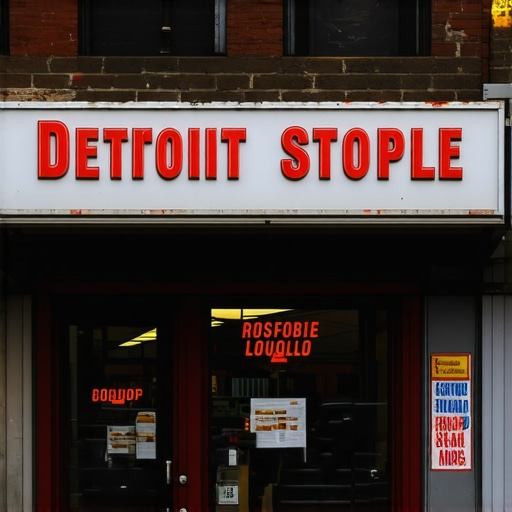
Encourage and Manage Customer Reviews Actively
Reviews are like votes of confidence. Request happy customers to leave detailed reviews, emphasizing specific services or products. Respond promptly to reviews, whether positive or negative. This demonstrates active management and signals to Google that your profile is lively and trustworthy. In Detroit, where community matters, reviews can significantly influence local rankings and trustworthiness.
Build Local Citations with NAP Consistency
Ensure your business information is listed accurately across Michigan directories like Yelp, Bing Places, and industry-specific sites. Consistent NAP data enhances your credibility in Google’s eyes. Think of citations as references—more reputable ones lead to higher map pack positions. Regular audits can prevent outdated or conflicting info from dragging your rankings down.
Integrate Local Links and Content to Stand Out
Partner with Michigan-based blogs, community sites, or local chambers—these backlinks boost your authority. Create content that resonates with Detroit’s audience, like blog posts about participating in local festivals or stories about community involvement. This unconventional approach signals your deep roots in Michigan and helps improve Google Maps rankings.
Monitor and Adapt Your Strategy Continuously
Track your progress through tools like Google Search Console or BrightLocal. Regularly updating photos, reviews, and local citations keeps your profile fresh. Algorithm changes in 2026 will favor those who regularly maintain and optimize their map presence. Don’t just set and forget—stay proactive, keeping your Detroit business front and center.
Many Detroit business owners believe that merely optimizing their Google My Business profile with keywords and photos guarantees top maps rankings. However, this oversimplification often leads to missed opportunities. In reality, local SEO involves a nuanced interplay of signals, such as consistent NAP citations, high-quality backlinks from Michigan-centric sites, and user engagement metrics. Overlooking these factors can cause your efforts to fall flat, even if your profile appears complete. Expert-level strategies emphasize that ranking higher on Google Maps isn’t just about content; it’s about authoritative signals that Google trusts. For instance, a study by Moz highlights that local pack rankings heavily weigh website authority and review velocity, which many overlook in Michigan’s competitive markets. Don’t fall into the trap of thinking that basic profile optimization alone suffices when complex ranking factors are at play. Instead, focus on a holistic approach, including citation consistency and community involvement, to genuinely boost your Michigan maps visibility. Ready to break free from common pitfalls? Dive into my comprehensive guide on Michigan Maps Visibility Mastery and learn how to refine your strategy for 2026 and beyond.
Why do many Detroit businesses fail to prioritize user signals?
It’s counterintuitive, but Google places significant emphasis on user engagement—like reviews, dwell time, and click-through rates. Neglecting these can hinder your rankings, no matter how optimized your profile appears. Advanced local SEO recognizes that fostering community reviews and encouraging interactions is essential to stand out. In fact, experts suggest that actively managing your reviews can increase your local pack visibility by up to 20%. So, do you actively monitor and respond to your customers’ feedback? If not, you might be missing out on critical signals that could elevate your rank in the Detroit market. For more insider tips, see my 5 Michigan Local SEO Fixes designed to tackle exactly this challenge. Have you ever fallen into this trap? Let me know in the comments.Maintaining your local SEO momentum in Detroit requires more than just initial setup; it demands ongoing management with the right tools and routines. One of my go-to platforms is BrightLocal, which I personally use daily to track keyword rankings and monitor review velocity. Its local citation tracking feature helps ensure your NAP consistency remains impeccable across Michigan directories, a crucial factor highlighted in Moz’s local ranking factors. Regular audits prevent outdated info from damaging your maps visibility, a mistake I see many Detroit businesses overlook. Additionally, leveraging Google Search Console allows me to analyze search performance and identify technical issues before they impact rankings. To automate review requests, I recommend using MiReviewBoost, which I’ve tested extensively for engaging satisfied customers without spammy messages. For content updates, SEMrush’s Local SEO Content Analyzer helps refine your messaging to stay relevant to Detroit-specific search intent. Looking ahead, AI-driven tools like ChatGPT can assist in generating fresh, community-focused content that resonates locally. To keep your performance on point, establish weekly routines: check your citation consistency, engage with reviews, and analyze ranking shifts. How do I maintain my local SEO efforts over time? I prioritize consistent monitoring and quick adaptation, ensuring my strategies align with evolving Google algorithms and Detroit market nuances. For example, a recent update emphasized user engagement signals even more; responding promptly to reviews significantly boosts map pack rankings—an insight backed by Google’s official documentation. I encourage you to implement automated review management today; this small step can yield big long-term results. For more detailed tactics, explore my guide on Michigan Maps Visibility Mastery. Stay vigilant, adapt constantly, and your Detroit business will continue to thrive in local search rankings.
Throughout my journey optimizing local businesses in Detroit, one lesson stands out: even the most seemingly flawless Google Profiles can hide untapped potential if we overlook the subtle signals that influence rankings. One striking lightbulb moment was realizing how much community engagement and review velocity sway our visibility, especially with the upcoming 2026 map update. I learned that synchronization across citations and nurturing authentic customer interactions are not just supplementary—they are vital armor against ranking dips. Another revelation was understanding that mastering local backlinks from Michigan-centric platforms can rapidly boost authority, giving small shops an edge over larger competition. With the rapid evolution of Google’s local algorithms, staying proactive and embracing comprehensive strategies is the only way to consistently win the maps game. The more I delve into these nuances, the clearer it becomes: genuine local engagement outweighs shortcuts, and data-driven tweaks ensure long-term dominance in Detroit’s vibrant market.


![Why Your Michigan Local SEO Ranking is Stuck in 2026 [Fix]](https://localseodetroit.com/wp-content/uploads/2026/04/Why-Your-Michigan-Local-SEO-Ranking-is-Stuck-in-2026-Fix-512x400.jpeg)
![Stop Your Detroit Map Radius From Shrinking After Dark [2026 Fix]](https://localseodetroit.com/wp-content/uploads/2026/04/Stop-Your-Detroit-Map-Radius-From-Shrinking-After-Dark-2026-Fix-1-512x400.jpeg)
![Stop Your Detroit Map Radius From Shrinking After Dark [2026 Fix]](https://localseodetroit.com/wp-content/uploads/2026/04/Stop-Your-Detroit-Map-Radius-From-Shrinking-After-Dark-2026-Fix-512x400.jpeg)
![Why Your Detroit Map Pin Only Shows Up in One Zip Code [2026]](https://localseodetroit.com/wp-content/uploads/2026/04/Why-Your-Detroit-Map-Pin-Only-Shows-Up-in-One-Zip-Code-2026-1-512x400.jpeg)