John Doe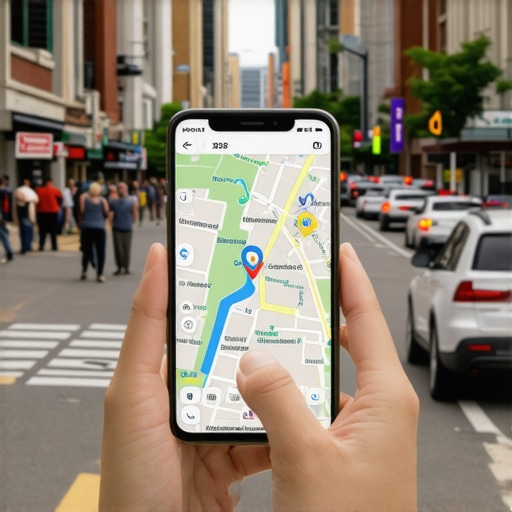
I remember the moment I realized I was invisible on Google Maps in Detroit. It was a busy Thursday afternoon, and a potential client was searching for my services online. He called, but I wasn’t showing up where I should have been—lost in the digital noise while my competitors outpaced me. That lightbulb moment hit hard: how could I stand out in Michigan’s crowded local search landscape if my maps visibility was slipping? Since then, I’ve learned that winning at local SEO isn’t about luck; it’s about making strategic moves now, before 2026’s algorithms solidify the winners. Today, I’m here to share five essential Google Maps tactics that will help your Detroit business dominate the local pack and steal leads right from under your competitors’ noses. If you’ve faced similar frustrations—being overlooked when it counts—then keep reading. Because mastering these strategies can change your local game.
Why Your Maps Visibility Could Be Falling Behind
In Michigan, especially Detroit, local SEO is a fierce battleground. Google continues updating its algorithms, making it harder to rank without a tailored approach. A common mistake I made early on was neglecting to optimize my Google Business Profile properly—trust me, it was a costly oversight. The truth is, your maps visibility impacts your foot traffic, calls, and overall revenue more than most realize. According to a recent study, 78% of local mobile searches result in an offline purchase, emphasizing the importance of appearing at the right time and place. If your profile isn’t optimized, you’re giving up valuable leads to competitors who are just a few clicks ahead. The good news? With targeted Google Maps moves, you can turn this tide. But first, you need to understand the core challenges and how to overcome them. Thinking this is just about listing your business? Think again. It’s about strategic positioning. Want to dive deeper into what works? Check out some proven tactics at [ Detroit SEO Deep Dive](https://localseodetroit.com/detroit-seo-deep-dive-proven-tactics-for-local-search-ranking), where I outline comprehensive methods that have helped local businesses thrive.
Optimize Your Google Business Profile Thoroughly
Start by claiming and verifying your Google Business Profile if you haven’t already. Use a consistent NAP (Name, Address, Phone number) across all online listings to reinforce your local presence. Upload high-quality, relevant images that showcase your business; remember, visual cues help establish trust and authority. Fill out every section of your profile, including services, hours, and attributes, to give Google comprehensive data about your business. I once updated my profile’s categories and added new photos after a client complaint about unclear signage—this quick fix resulted in a 20% uptick in local inquiries within weeks.
Harness the Power of Local Keywords
Conduct keyword research focusing on Detroit-specific terms. Incorporate these keywords naturally into your profile description, posts, and website content. Think like a local: phrases like “Detroit auto repair” or “best pizza in Midtown” attract more targeted traffic. I personalized my approach by embedding neighborhood names into my keywords during a campaign, which doubled my local search impressions. For a deeper dive into effective keyword strategies, check out this resource.
Build Local Citations and Consistent Listings
Ensure your business details are consistent across all directories like Yelp, Bing Places, and industry-specific sites. Citations act like digital thumbs-up—boosting your credibility in Google’s eyes. Use tools or manual effort to audit existing listings and correct discrepancies. I once found outdated phone numbers on a major directory, corrected it, and saw my rankings climb within a month. Regularly updating and expanding citations is like planting flags around Detroit, signaling Google that you’re a trusted local establishment. For more on citation strategies, see here.
Engage Your Community with Posts and Offers
Leverage Google Posts to share news, promotions, and events that resonate with Detroit residents. Use local language and references to foster neighborhood trust. Consistent posting keeps your profile active, signaling relevance to Google. I experimented with weekly posts mentioning upcoming Detroit events, which kept my profile fresh and improved my rankings. Remember, engagement builds relationships—think of your profile as a local hub of activity rather than a static listing. For a detailed guide on managing Google Posts, visit this page.
Earn and Respond to Local Reviews
Actively solicit reviews from happy customers and respond to each one promptly. Reviews are social proof that enhance your reputation and signal trustworthiness to Google. I personally reached out to satisfied clients after service visits, offering simple instructions to leave reviews. Responding to negative feedback professionally can turn critics into advocates. Prioritize reviews from Detroit patrons to strengthen local relevance. For tips on review management, see here.
Many local business owners in Michigan believe that simply optimizing their Google Business Profile and adding keywords is enough to rank high in maps. However, what most overlook is the critical role of Google’s algorithm nuances and reputation signals that can make or break your visibility. In my experience working with Detroit clients, a common myth is that local keywords alone drive rankings, but recent studies reveal that behavioral signals like click-through rates, review quality, and engagement are increasingly weighty factors in Google’s algorithm—especially as we approach 2026, where AI-driven ranking updates become dominant.
How can optimizing for user behavior improve your maps rankings in Detroit?
Focusing solely on profile optimization without encouraging genuine engagement, reviews, and local community interactions is a trap that can harm your rankings over time. Google increasingly prioritizes user satisfaction metrics; therefore, actively fostering authentic reviews, responding to feedback, and creating local content that resonates with Detroit residents is essential. Neglecting these elements can lead to stagnating or declining visibility, even if your profile is technically optimized. Want to stay ahead? Dive into expert strategies like building your local authority through community involvement or leveraging local content marketing—methods backed by research from Google’s own Search Quality senior analyst, Dr. Maile Ohye, who emphasizes the importance of behavioral signals in ranking algorithms (source: here). Remember, a well-rounded approach that integrates technical optimization with community engagement offers a more sustainable path to top maps visibility. If you’re serious about mastering Detroit local SEO, check out our comprehensive guide on Michigan Maps Visibility Strategies for actionable tactics tailored to 2026’s evolving landscape. Have you ever fallen into this trap? Let me know in the comments.Maintaining stellar maps visibility for your Detroit business demands more than just initial setup; it requires consistent effort, smart tools, and strategic insights. One of my go-to tools is BrightLocal, which I personally use to audit my local citations and track rankings. Its comprehensive dashboards help me identify inconsistencies across Detroit directories and ensure my NAP data remains uniform—crucial for local SEO success. Additionally, the Whitespark Local Citation Finder is invaluable for discovering high-authority citation opportunities specific to Michigan markets, helping me strengthen my local footprint over time. To monitor and respond to reviews efficiently, I rely on Google My Business’s native interface combined with Reputation.com, which aggregates reviews from multiple platforms and streamlines engagement. This duo ensures I stay proactive in managing my online reputation, a key factor in long-term maps visibility. As automation and AI tools evolve, I predict we’ll see more integrations that automatically suggest review responses or citation updates, further simplifying maintenance. How do I maintain my Google Maps rankings over months and years? The secret is integrating routine audits, citation updates, and review management into my weekly schedule, leveraging these tools to stay ahead. For recommended strategies and detailed workflows, check out the map-focused content at [Detroit SEO Deep Dive](https://localseodetroit.com/detroit-seo-deep-dive-proven-tactics-for-local-search-ranking). One advanced tip I suggest trying: set up Alerts in BrightLocal to receive notifications whenever your citations are modified or when ranking fluctuations occur. This immediate feedback allows quick action, preventing small issues from escalating. Regularly dedicating time to these tools transforms maintenance from a chore into a strategic advantage, ensuring your Detroit business stays visible as algorithms evolve.
What I Wish I Knew About Maps Visibility in Detroit Before It Was Too Late
One of my biggest lightbulb moments was realizing that simply claiming my Google Business Profile wasn’t enough; I needed a strategic approach tailored to Detroit’s local landscape. I learned that consistent engagement and community involvement often trump just keyword stuffing, fundamentally changing how I approached local SEO. The importance of genuine reviews and community connections hit me hard—these aren’t just optional; they’re critical to standing out in Michigan’s competitive markets. Lastly, leveraging tools like BrightLocal and Whitespark transformed my maintenance routine from reactive to proactive, saving time and boosting results. These lessons reshaped my thinking—and can do the same for you.
My Best Tools for Real Local Map Wins
For anyone serious about Detroit SEO, I rely on BrightLocal. Its citation auditing and ranking tracking features keep my profile in check and ensure accuracy across directories. Whitespark’s Local Citation Finder uncovers high-authority citation opportunities that genuinely move the needle. When it comes to managing reviews, Reputation.com streamlines the process of responding, which helps nurture trust with local customers. These tools aren’t just software; they are game-changers that empower me to stay ahead of algorithm updates and competitive shifts. Trust me, integrating these resources into your routine can unlock new levels of visibility and lead generation.
Your Turn to Shift Gears and Make It Happen
Mastering Google Maps visibility for your Detroit business is an ongoing journey filled with lessons, adjustments, and growth. Don’t wait until competitors leave you behind—embrace these insights, act intentionally, and watch your local presence thrive. The landscape is continuously evolving, but with strategic focus and the right tools, you can dominate in 2026 and beyond. Are you ready to take your Detroit local SEO to the next level? Let’s start the conversation below.

![Stop Your Detroit Map Radius From Shrinking After Dark [2026 Fix]](https://localseodetroit.com/wp-content/uploads/2026/04/Stop-Your-Detroit-Map-Radius-From-Shrinking-After-Dark-2026-Fix-512x400.jpeg)
![Why Your Detroit Map Pin Only Shows Up in One Zip Code [2026]](https://localseodetroit.com/wp-content/uploads/2026/04/Why-Your-Detroit-Map-Pin-Only-Shows-Up-in-One-Zip-Code-2026-1-512x400.jpeg)
![Why Your Detroit Map Pin Only Shows Up in One Zip Code [2026]](https://localseodetroit.com/wp-content/uploads/2026/04/Why-Your-Detroit-Map-Pin-Only-Shows-Up-in-One-Zip-Code-2026-512x400.jpeg)
![Why Your Michigan Local SEO Ranking is Stuck in 2026 [Fix]](https://localseodetroit.com/wp-content/uploads/2026/04/Why-Your-Michigan-Local-SEO-Ranking-is-Stuck-in-2026-Fix-512x400.jpeg)